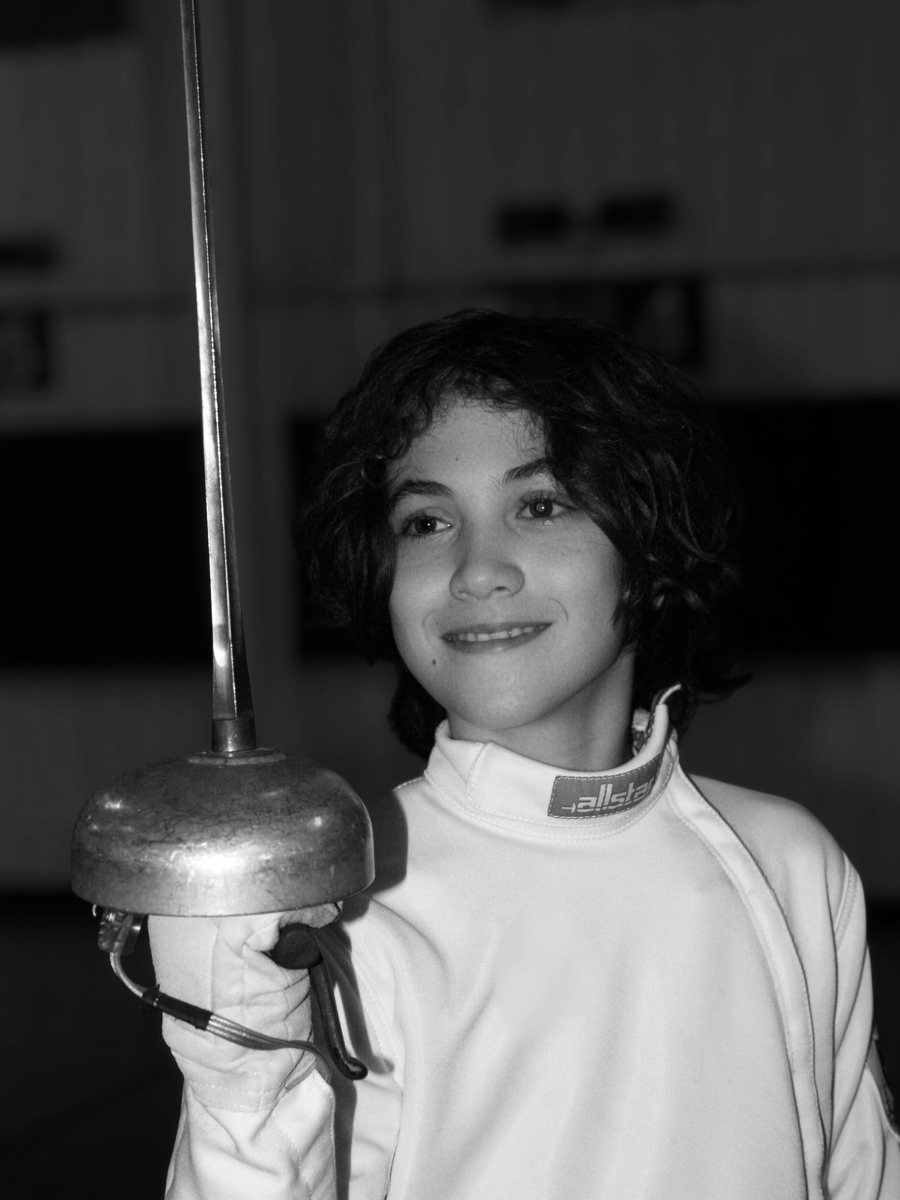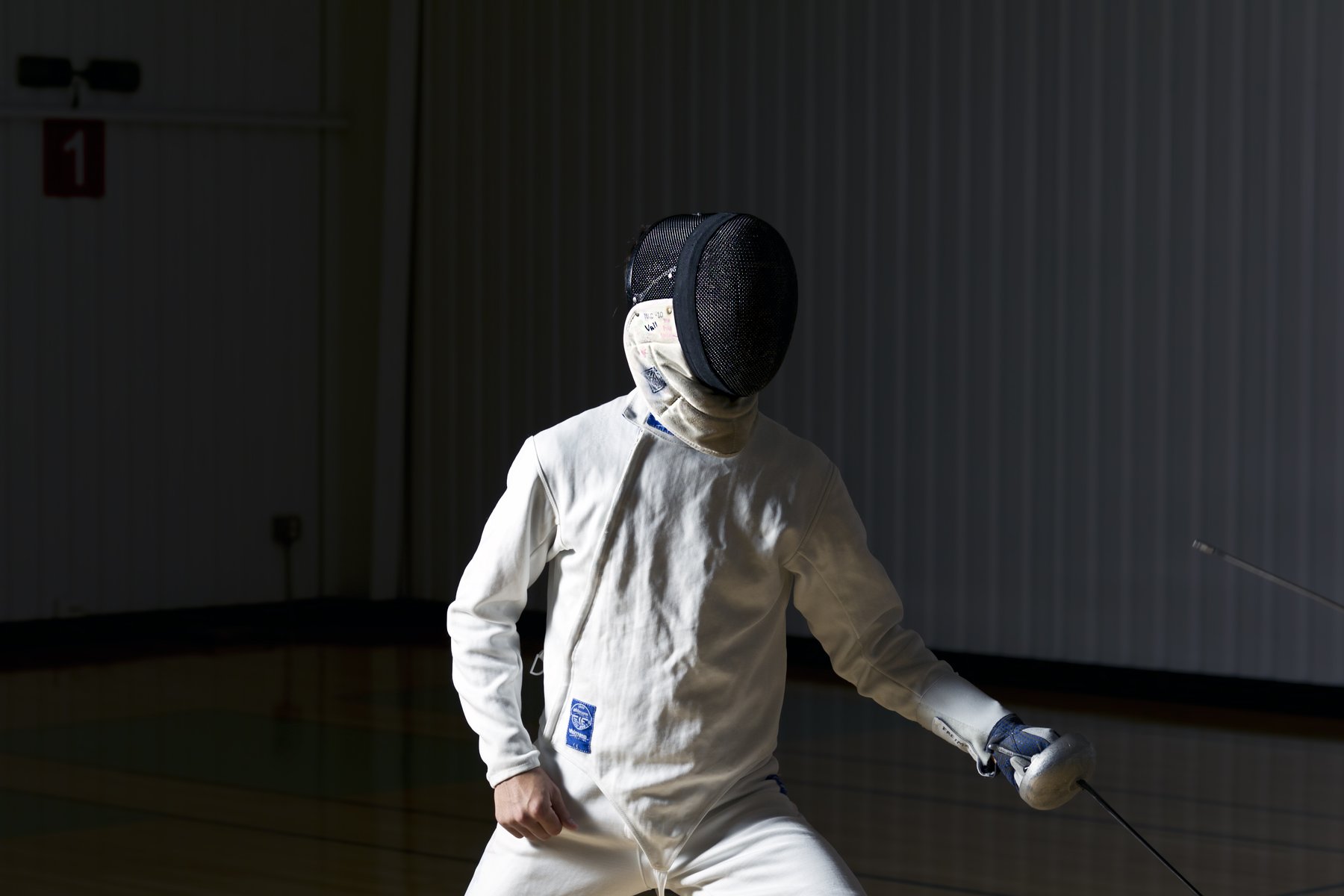
Forty-five minutes on the strip with the coach. Your fencer learns real footwork, holds a real blade — and scores a real electric touch before the lesson ends.
An assessment lesson is not a trial class you sit through. It is a structured first lesson, followed by an honest conversation about your child — and the first step before joining a group — with the four-class Safety & Etiquette course, in groups of no more than three, during your first month.
Loaner mask, jacket, glove and blade are laid out and waiting. Nothing to buy, nothing to bring.
Footwork, the salute, the guard, the first lunge — taught properly, from the first minute.
A real bout on electric scoring equipment. The light goes on. This is the part they talk about at dinner.
Five minutes with you: what he saw in your child, and which group he would start them in — or whether fencing is right for them at all.
Fencing is physical chess: strategy, timing, and composure under pressure. Size and speed matter less than reading your opponent — which is why it suits children who have not found their sport.
Fencing carries one of the lowest injury rates of any Olympic sport. Full protective equipment, controlled contact, and a culture of discipline on the strip.
Varsity fencing exists at fewer than fifty universities — disproportionately the country's most selective — and draws from one of the smallest recruiting pools in college sport.
Fencers train here for the joy of it and fencers train here for national points. Both belong. We will tell you honestly which path fits your child.
Fall 2026 registration is closed. Book an assessment lesson now to hold a place in the Spring 2027 cohort, which starts soon. Assessment lessons are offered by appointment during regular training hours.
World-class coaching — and a second family four nights a week. — Club parent, The Woodlands
Call the club and speak to the coach directly — most parents' questions take about three minutes.
(346) 459-0186